Our Blog
Discover the latest technology articles, in-depth tutorials, industry insights, and behind-the-scenes stories from the Sumber Data Indonesia team.
Blog details
Sumber Data Indonesia
27 August 2026
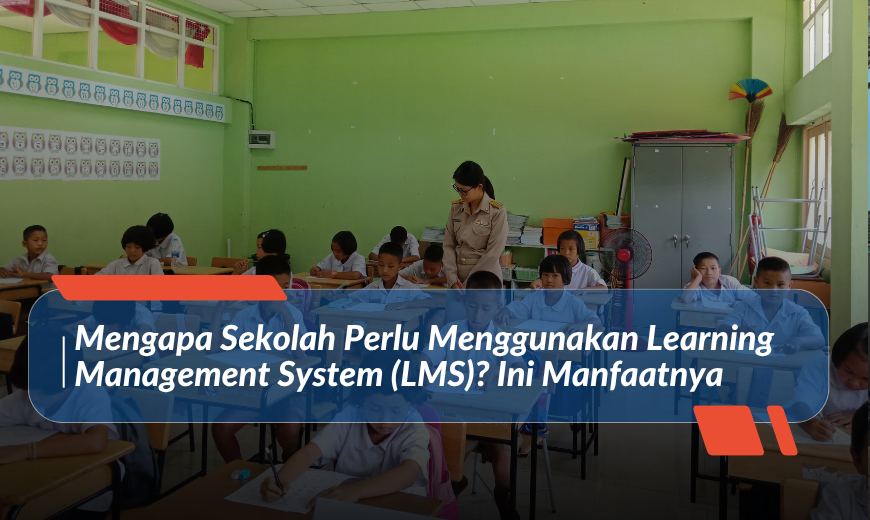
Why Should Schools Use a Learning Management System (LMS)? Here Are the Benefits
Technological developments are making teaching and learning in schools increasingly connected to the digital ecosystem. Learning materials can now be delivered through videos, documents, interactive quizzes, and virtual classrooms. However, as more digital activities are introduced, schools also need a system that can manage these activities in a structured and integrated way. One technology that can support this need is a Learning Management System (LMS).
An LMS enables schools to manage various learning activities within a single platform, from distributing learning materials and assigning tasks to conducting assessments and monitoring student progress. An LMS can also support learning that is more structured, flexible, and interactive.

However, implementing an LMS is not simply about choosing the right platform. There is another important infrastructure factor that can directly affect the digital learning experience: a reliable internet connection.
What Is a Learning Management System (LMS)?
A Learning Management System (LMS) is a digital platform designed to manage learning activities in an integrated manner.
Through a school LMS, teachers can upload learning materials, assign tasks, conduct assessments, and monitor student activities. Meanwhile, students can access learning materials, complete assignments, take online examinations, and participate in learning activities through a single system.
In other words, an LMS is more than just a place to store learning materials. It can serve as a central platform for managing digital learning in schools.
An LMS also enables more flexible learning, whether as a complement to face-to-face classes, hybrid learning, or distance learning.
Why Should Schools Use an LMS?
Educational digitalization is not simply about moving learning activities from books to screens. Schools also need to ensure that digital learning activities can be managed effectively.
Here are several reasons why an LMS can become an important part of a school's digital transformation.
- Centralizing Learning Materials and Activities
Without an integrated system, learning materials and activities can become scattered across different platforms. Materials may be shared through messaging applications, assignments submitted through different platforms, while grades may still be recorded manually.
An LMS helps bring these activities together in one system. Teachers and students have a centralized platform to access learning materials, assignments, and other learning activities. As a result, the learning process becomes more structured and easier to manage.
- Making Learning Management Easier for Teachers
Teachers are not only responsible for delivering learning materials. They also need to manage assignments, assess students, provide feedback, and monitor student progress.
With an LMS, these activities can be managed through a single platform. Teachers can prepare digital learning materials, assign tasks, organize assessments, and review student activities and learning outcomes more efficiently.
This can help reduce repetitive administrative work, allowing teachers to focus more on designing meaningful and effective learning experiences.
- Providing a More Flexible Learning Experience
Learning does not always have to take place inside the classroom. With an LMS, students can access learning materials and activities digitally, provided they have suitable devices and a reliable internet connection.
Learning materials in the form of text, videos, images, and other multimedia can also provide students with more diverse ways to learn.
LMS platforms can therefore support both independent and collaborative learning as part of a school's digital learning environment.
- Helping Schools Monitor Learning Activities
One advantage of an LMS over using multiple separate applications is its ability to manage and monitor learning activities within a single system.
Schools and teachers can access information about student activities, assignments, and assessment results, depending on the features available on the LMS platform being used.
This data can serve as a valuable reference for evaluating whether the learning process is achieving its intended objectives.
- Supporting More Interactive Learning
An LMS does not have to contain only documents or text-based materials. Schools can combine it with educational videos, quizzes, discussion forums, presentations, and collaborative activities.
With this approach, technology becomes a tool that supports teaching methods rather than simply replacing traditional books or classroom boards.
An LMS Alone Is Not Enough: Schools Also Need Reliable Internet Infrastructure
Having an LMS with comprehensive features does not automatically guarantee a smooth digital learning experience.
Imagine one class conducting an online examination while another class is accessing educational videos. At the same time, teachers may be participating in video conferences, administrative staff may be accessing school management systems, and other devices may also be connected to the internet.
If the internet connection cannot handle these activities effectively, users may experience disruptions.
Therefore, network infrastructure and internet connectivity are important components in supporting the successful implementation of an LMS in schools.
Why Is Dedicated Internet Important for Supporting an LMS in Schools?
For schools with a large number of users and multiple digital activities taking place simultaneously, dedicated internet can be one connectivity option to consider.
Unlike connections that are shared without a specific capacity commitment, dedicated internet services are designed to provide a more consistent connection based on the subscribed service capacity.
With a reliable internet connection, schools can support various activities, including:
- LMS access for teachers and students
- Online examinations and assessments
- Video conferences
- Access to video-based learning materials
- Cloud-based school administration systems
- Educational applications
- Access to various digital learning resources

In simple terms, the LMS serves as the learning management system, while the internet connection provides the infrastructure that enables users to access it.
Zetta-Net: Dedicated Internet to Support School Digitalization
For schools building a digital learning ecosystem, internet connectivity should be considered part of their educational infrastructure rather than simply an additional facility.
Zetta-Net provides dedicated internet services designed to support the connectivity needs of businesses and institutions, including educational environments.
With reliable internet connectivity, schools can be better prepared to run multiple digital activities simultaneously, from accessing an LMS and conducting online learning to using educational applications and accessing internet-based learning resources.
However, internet connectivity should always be selected based on each school's specific requirements. The number of users, types of activities, number of connected devices, usage patterns, and bandwidth requirements should all be considered before determining the appropriate service capacity.
With proper planning, schools can have not only a digital learning platform but also a connectivity infrastructure that supports its effective use.
Are you already using an LMS or planning to implement digital learning at your school?
Make sure your internet connectivity can support the needs of teachers, students, and the school's overall digital activities.
Choose Zetta-Net Dedicated Internet and build a more reliable school internet connection to support your digital learning ecosystem.
FAQ
- Why do schools need dedicated internet such as Zetta-Net?
Schools with a large number of users and digital activities need a stable and consistent internet connection. Zetta-Net Dedicated Internet can support various activities, including LMS access, online learning, video conferencing, online examinations, and the simultaneous use of educational applications.
- Can Zetta-Net support a Learning Management System (LMS)?
Yes. Zetta-Net can serve as the connectivity infrastructure supporting LMS access within a school environment. With a reliable internet connection, teachers and students can access learning materials, submit assignments, participate in assessments, and use various LMS features more effectively.
- What are the advantages of using Zetta-Net compared with regular internet for schools?
One of the key advantages of dedicated internet is that the connection is designed to provide more consistent and measurable connectivity. This is particularly important for schools with many devices and users accessing the internet simultaneously for learning and administrative activities.
- Can Zetta-Net's internet capacity be adjusted to meet a school's needs?
Yes. Bandwidth requirements can vary depending on the number of users, connected devices, applications, and daily internet activities. Therefore, the appropriate Zetta-Net capacity should be selected based on the school's specific requirements and usage patterns.
- How can a school subscribe to Zetta-Net Dedicated Internet?
Schools can contact the Zetta-Net team to consult their connectivity requirements. Our team can help recommend a suitable service based on the number of users, bandwidth requirements, and digital activities carried out by the school.